When it comes to our health, most of us tend to view different aspects of wellness as separate entities. We go to specialists for our hearts, lungs, and skin, and visit optometrists or ophthalmologists for our eyes. But what if there was a way to combine multiple areas of healthcare to create a more holistic, effective approach to treating vision and overall eye health? Enter integrated eye care, a growing trend in the United States that blends traditional medicine, alternative therapies, and preventive care to offer a more personalized and comprehensive treatment approach. With rising concerns over vision problems related to aging, lifestyle choices, and digital technology, integrated eye care may be the key to not only improving vision but also ensuring long-term eye health. So, what exactly does integrated eye care mean, and why is it being touted as the future of eye health? Let’s dive in and explore! Netra Restoration Therapy.
What is Integrated Eye Care?
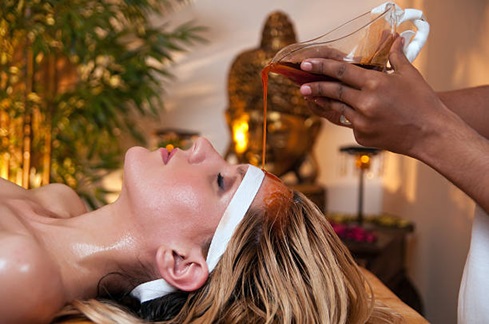
Integrated eye care is a holistic approach that combines conventional medical treatments with alternative therapies to treat eye health from multiple angles. Unlike traditional eye care, which focuses mainly on vision correction and the treatment of specific eye conditions, integrated eye care addresses the whole person—considering lifestyle factors, diet, emotional well-being, and overall health in addition to eye health. In integrated eye care, practitioners might use a combination of modern medical practices (such as prescription glasses, contact lenses, or surgery) alongside complementary treatments like acupuncture, nutrition, herbal remedies, and stress management techniques. This approach seeks to treat the root causes of eye conditions rather than just managing symptoms.
How Does Integrated Eye Care Work?
The foundation of integrated eye care is the belief that all aspects of health are interconnected. This means that what’s going on in the rest of your body, such as poor circulation, imbalanced nutrition, or high stress, can directly affect the health of your eyes. Here’s how it works in practice: 1. Personalized Treatment Plans An integrated eye care plan starts with a thorough assessment of the individual’s eye health, lifestyle, and overall wellness. A comprehensive evaluation may include discussions about your diet, exercise routine, stress levels, sleep habits, and more. From there, a personalized treatment plan is created that might include traditional medical treatments as well as holistic therapies to address underlying health issues. For example, someone suffering from digital eye strain due to excessive screen time might receive a combination of eye exercises, nutritional advice, and acupuncture to reduce inflammation and promote healing. 2. Balanced Approach to Treatment Instead of choosing between modern medical interventions and natural remedies, integrated eye care allows you to experience the best of both worlds. It might mean using prescription glasses to correct vision, while also incorporating nutrition counseling to improve eye health and prevent future issues. It can also involve stress-reducing techniques like yoga or meditation, which help alleviate strain on the eyes and body, improving your overall quality of life. 3. Focus on Prevention and Long-Term Health One of the key components of integrated eye care is its preventive focus. Many traditional eye care treatments wait until conditions like glaucoma, cataracts, or macular degeneration have developed before addressing them. In contrast, integrated eye care focuses on preventing eye conditions from occurring in the first place by promoting a healthy lifestyle, proper nutrition, and ongoing monitoring of your eye health. This holistic approach also considers the long-term effects of aging on vision, allowing individuals to manage conditions like presbyopia (age-related farsightedness) proactively and at an earlier stage.
Key Benefits of Integrated Eye Care
Integrated eye care offers several benefits that could revolutionize the way we approach vision health in the United States. Here’s why this approach is gaining traction: 1. Comprehensive Treatment for the Whole Person By combining modern science and holistic practices, integrated eye care looks at the whole person, not just the eye. Instead of simply diagnosing a condition and treating it with medication or surgery, this model seeks to balance the body and address contributing factors like diet, stress, and lifestyle. This leads to more personalized care and better long-term results. 2. Prevention Over Treatment Integrated eye care is proactive, meaning it focuses on preventing issues before they occur. For example, integrating nutrient-rich foods like vitamin A, lutein, and omega-3 fatty acids into the diet can help prevent conditions like macular degeneration. Early interventions like eye exercises and stress reduction can also stave off eye strain and tiredness, leading to better vision outcomes over time. 3. Better Outcomes and Faster Recovery When traditional treatments are combined with natural healing methods like acupuncture or herbal supplements, it can speed up recovery after surgeries or eye treatments. Additionally, these therapies may reduce the need for medication and promote overall well-being, which ultimately benefits your vision. 4. Holistic Treatment for Chronic Conditions Conditions like dry eye syndrome, glaucoma, and diabetic retinopathy often require long-term management. Integrated eye care allows for a more comprehensive treatment plan that addresses the root causes of these chronic issues and can help individuals manage their conditions more effectively. 5. Reduced Reliance on Medication With an integrated approach, people can often reduce their reliance on pharmaceuticals and prescription glasses through the use of dietary supplements, exercise, and holistic therapies. This approach supports long-term health and may reduce the need for frequent trips to the doctor or dependence on eye-related medications.
Integrated Eye Care and Technology: The Perfect Match
As the digital age continues to progress, we’re seeing more eye issues related to screen time, such as digital eye strain and blue light exposure. Thankfully, integrated eye care can help address these modern challenges with a combination of technology and natural solutions. For example, microcurrent therapy is a high-tech treatment that stimulates the muscles and tissues around the eyes to promote healing, improve circulation, and reduce signs of aging. Additionally, blue light blocking technology can be integrated into glasses to prevent damage from prolonged screen exposure, while holistic approaches like eye exercises and nutrition counseling can provide relief from eye strain. This integration of cutting-edge technology with natural, healing practices is exactly what makes integrated eye care a forward-thinking solution for the future.
Is Integrated Eye Care the Future of Eye Health?
Given the rapidly changing landscape of healthcare, it’s no surprise that integrated eye care is gaining popularity across the United States. It’s a model that combines the best of both worlds: the precision of modern medicine and the healing benefits of alternative therapies. As more people become interested in personalized care that addresses their unique health needs, integrated eye care offers an opportunity to not only correct vision but also enhance overall well-being and prevent future vision problems. For those seeking a more holistic and long-term approach to eye health, integrated eye care is undoubtedly an exciting and promising option. It allows individuals to maintain healthy vision for years to come while minimizing reliance on prescription medications and invasive procedures. If you’re interested in exploring integrated eye care, the future of vision health could be just around the corner. With its focus on prevention, personalized care, and a holistic approach, integrated eye care may very well be the future of eye health in the United States—and it could be the solution you’ve been waiting for!
Conclusion
For those seeking a more holistic and long-term approach to eye health, integrated eye care is undoubtedly an exciting and promising option. It allows individuals to maintain healthy vision for years to come while minimizing reliance on prescription medications and invasive procedures. If you’re interested in exploring integrated eye care, the future of vision health could be just around the corner. With its focus on prevention, personalized care, and a holistic approach, integrated eye care may very well be the future of eye health in the United States—and it could be the solution you’ve been waiting for!